Underpinning design
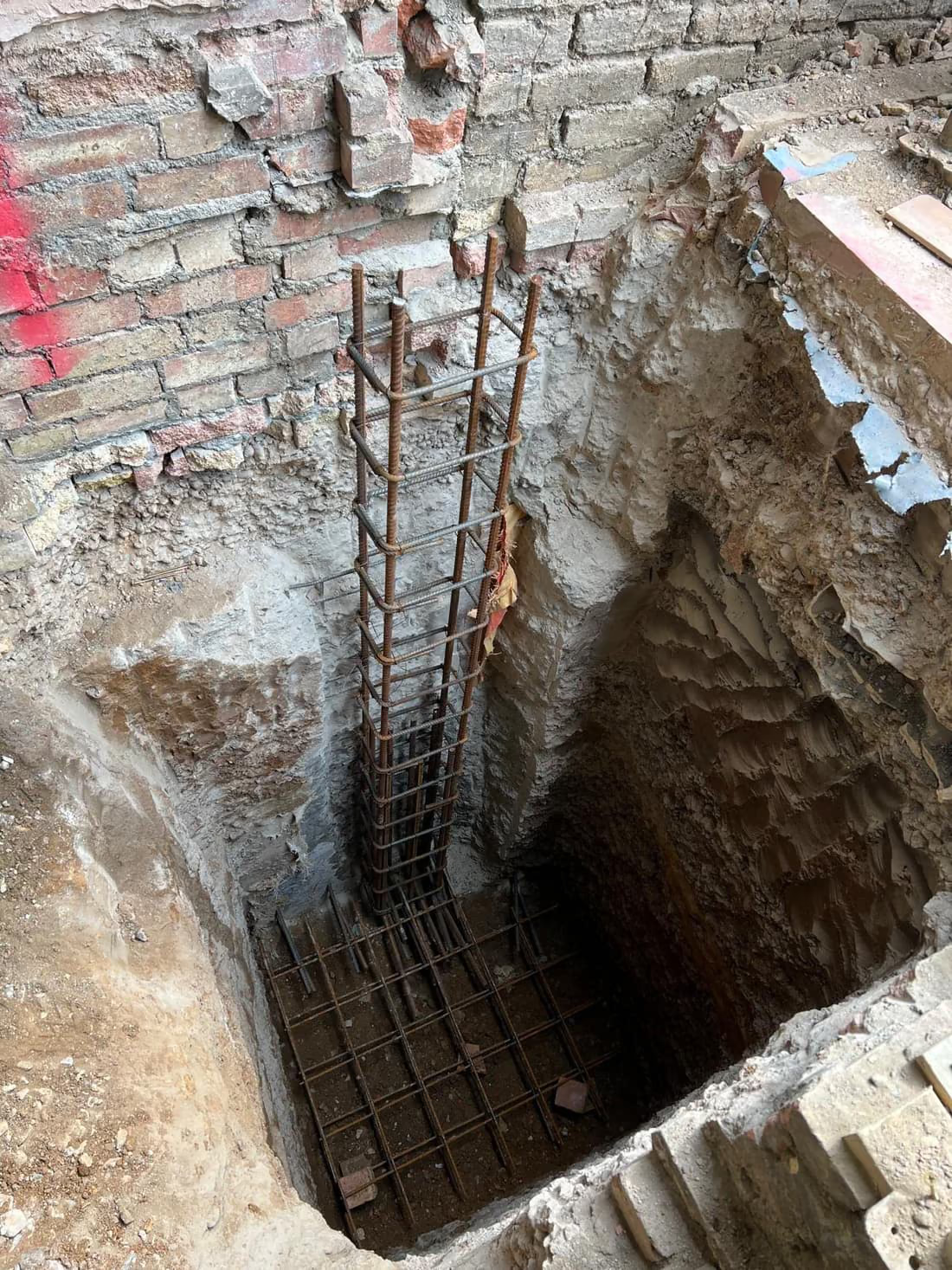
Sequenced underpinning to extend existing foundations safely below the new basement level, designed in controlled bays.
EMA Structures provides structural design and engineering support for basement extensions across London. We cover underpinning, retaining walls, party wall awareness, waterproofing coordination, temporary works, Building Regulations structural calculations, safe sequencing and construction support. The result is a basement taken from feasibility through to a buildable, properly inspected structure.
A basement extension is one of the most structurally demanding works you can carry out on a home. You are excavating below an existing building, removing the ground that currently supports its foundations and creating a new waterproof box that must resist soil and water pressure. A structural engineer is essential from the outset. The engineer designs the underpinning and retaining structure, prepares the Building Regulations calculations, sets out a safe construction sequence, and coordinates with the waterproofing specialist and party wall surveyor. Our guide to basement extension structural requirements explains each of these elements in more detail.
You should involve a structural engineer for a basement extension if you are digging out an existing cellar, lowering a floor level, creating a new basement beneath the footprint of the house, or extending below the garden. Engaging the engineer early avoids abortive design work, supports neighbour and party wall discussions, and ensures the scheme is buildable before excavation begins. If your borough requires a Basement Impact Assessment with the planning application, as Camden, Westminster and Kensington & Chelsea do, we prepare that too.
A complete structural design package for the below-ground works, coordinated with the wider project team.
Sequenced underpinning to extend existing foundations safely below the new basement level, designed in controlled bays.
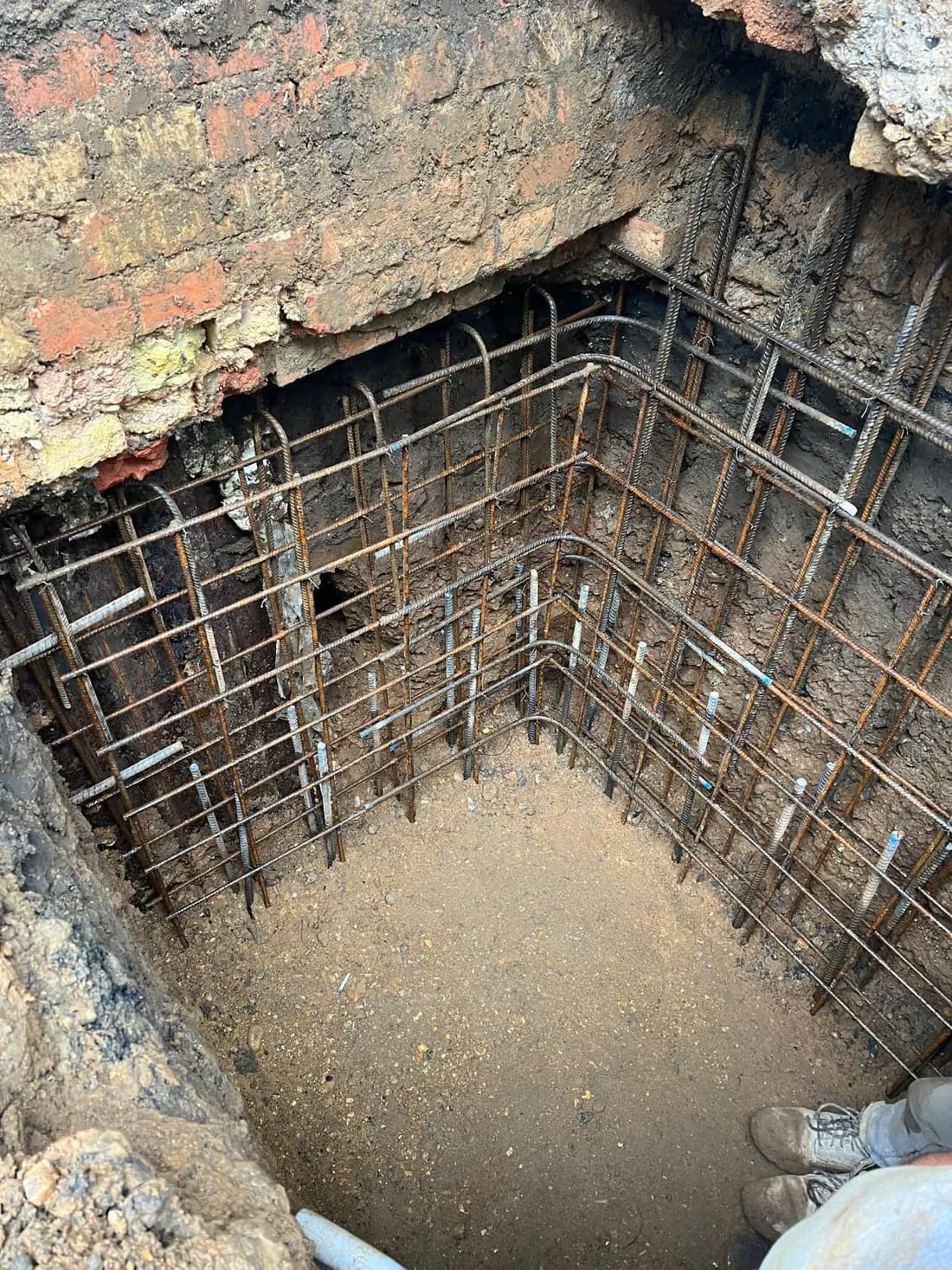
Reinforced retaining structures designed to resist soil and groundwater pressure around the new basement box.
Building Regulations structural calculations for underpinning, retaining walls, slabs, beams and supporting structure.
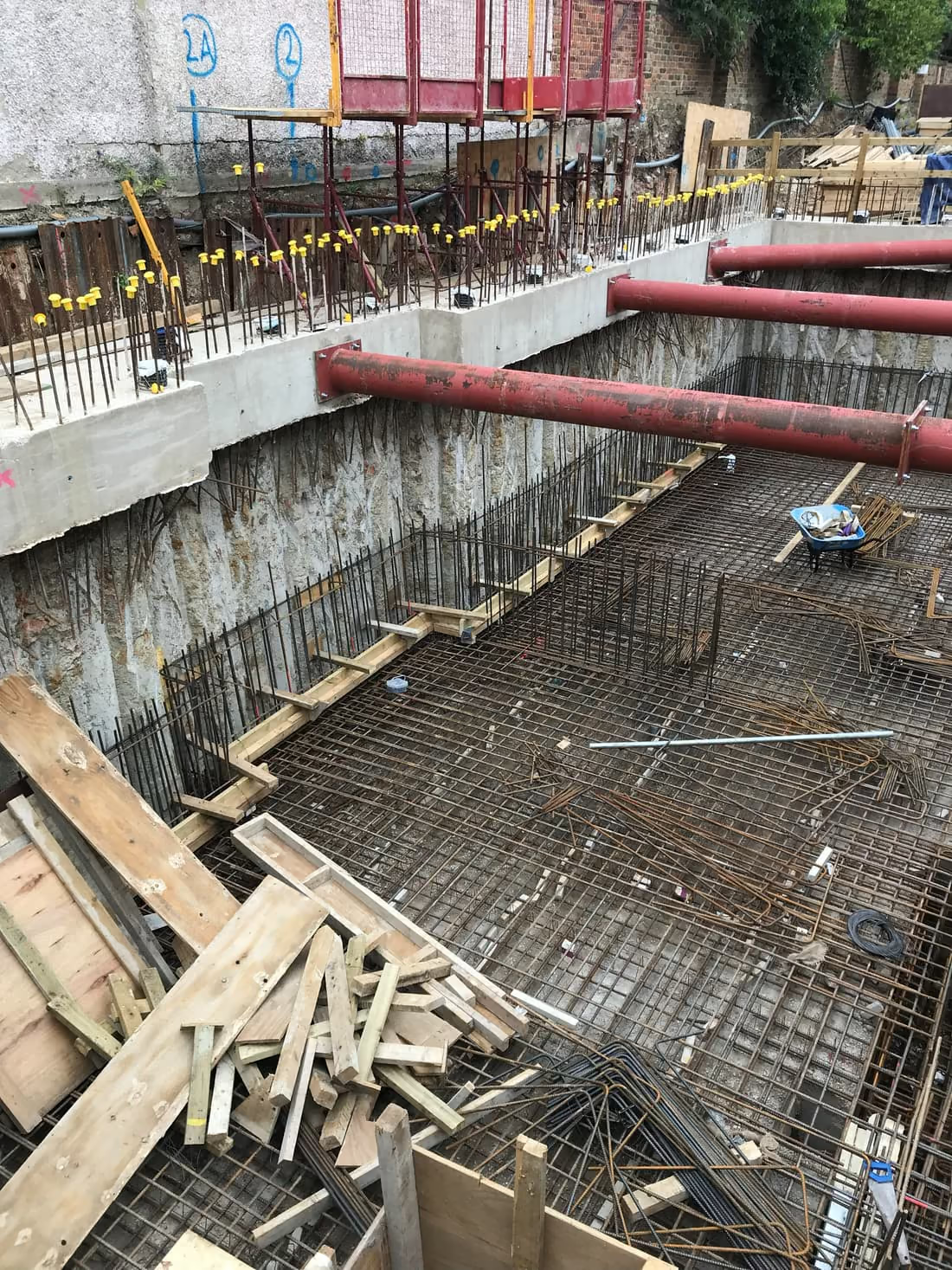
Temporary support and propping requirements so the existing structure stays supported throughout excavation and construction, with temporary works design where EMA Structures is separately appointed.
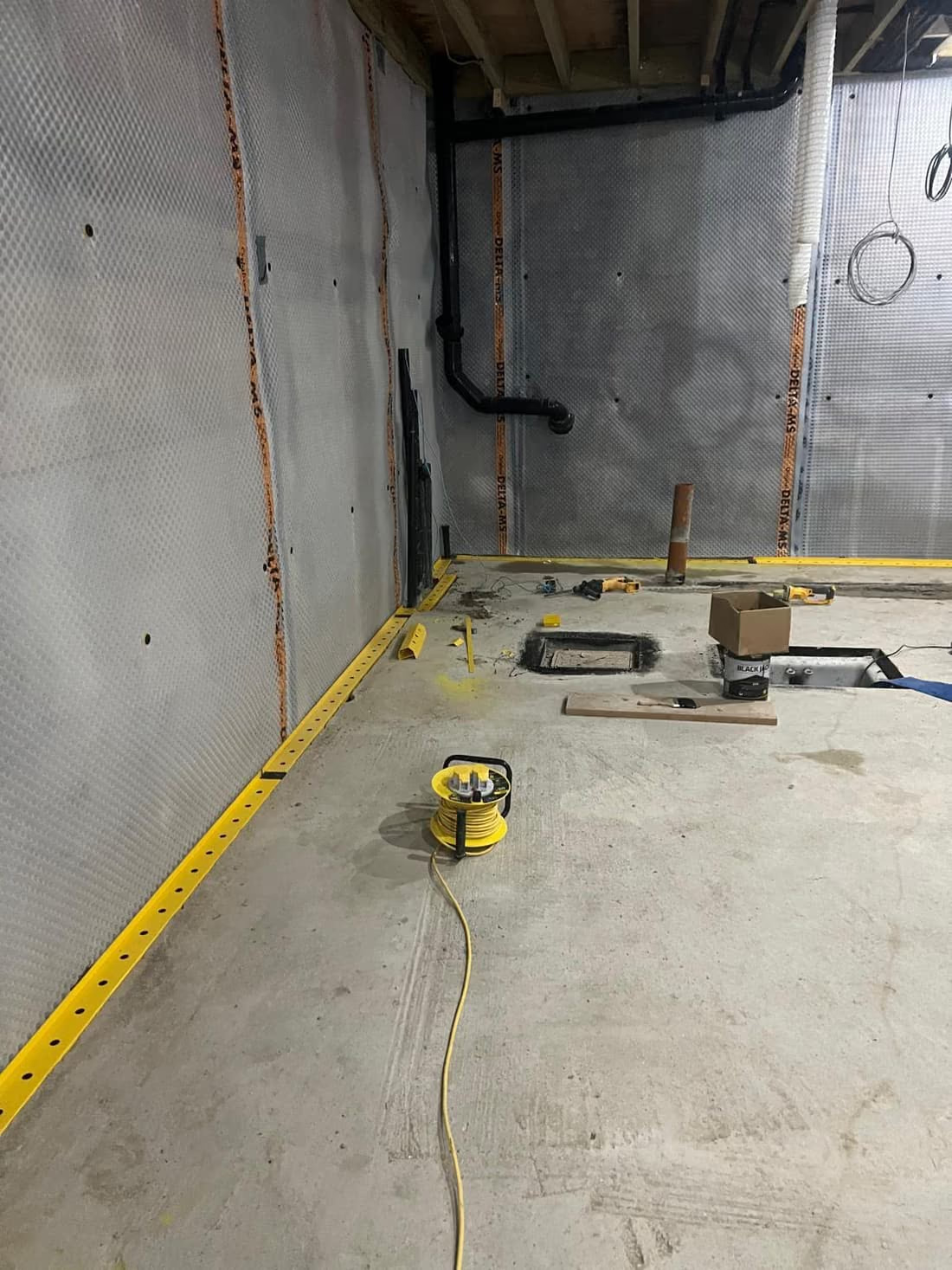
Coordination with the waterproofing specialist so the structural box and waterproofing system work together reliably.
Sequence review, site queries and inspections at key stages so the build follows the engineering intent.
The factors that shape every basement extension design and determine how the works are sequenced.
Soil type, bearing capacity and groundwater level drive the underpinning depth, retaining wall design and waterproofing strategy.
The depth and condition of the current foundations determine how much underpinning is required and how the load is transferred.
Works close to or beneath shared walls need careful design and party wall awareness to protect adjoining structures.
The structure must remain stable at every stage of excavation, which is why sequencing and temporary works must be planned up front.
The structural design must accommodate the chosen waterproofing system without creating weak points or cold bridges.
New steel beams and transfer structures may be needed to carry the existing building over the new basement opening.
A clear, staged route from initial feasibility through to inspected, completed works.
Review the proposal, ground conditions and existing structure to confirm the basement is viable.
Develop underpinning, retaining wall and supporting structure designs with full structural calculations.
Prepare drawings and calculations and support the Building Control submission for approval.
Review the contractor's sequence, design temporary works where separately appointed, and answer queries during the build.
Inspect at key stages so the completed basement follows the engineering design.
Basement extensions reward early, joined-up engineering. EMA Structures designs the underpinning and retaining structure and defines the temporary works requirements (designing them where separately appointed) as one coordinated scheme, supports the Building Regulations submission, and stays involved through construction so the most sensitive part of the project is built safely and in the right order.
Structural design and engineering support throughout basement construction.
Learn moreFoundation deepening and stabilisation designed in safe, sequenced bays.
Learn moreBuilding Regulations calculations and Building Control support.
Learn moreFoundations, drainage, retaining structures and site preparation.
Learn moreMost basement extensions to existing homes require underpinning, because the new basement floor sits below the level of the existing foundations. Underpinning extends the foundations down in controlled sequenced bays so the existing structure remains supported while the basement is excavated. The exact scheme depends on ground conditions, neighbouring structures and the depth of the new basement, all of which are confirmed by the structural engineer.
Yes. Basement extensions require Building Regulations approval, and the structural elements must be supported by structural calculations submitted to Building Control. EMA Structures prepares the underpinning, retaining wall and supporting structure calculations and drawings, and supports the Building Control submission so the design can be approved and built.
Waterproofing is critical for any below-ground structure and is designed to a recognised standard, typically combining a robust structural box with a drained cavity or cementitious system. EMA Structures coordinates the structural design with the waterproofing specialist so the two systems work together, and so that the structure does not compromise the waterproofing strategy or vice versa.
Yes. Basement work is sequence-critical and benefits from engineering oversight during construction. EMA Structures can review the contractor's proposed sequence, design temporary works where separately appointed in writing, answer queries on site and carry out inspections at key stages so the build follows the engineering intent. Otherwise the contractor remains responsible for temporary works, sequencing and construction methodology.
Send us your plans, site details or feasibility questions and we will advise the right structural route for your basement.